

Philosophy beyond Falsafa: Reimagining the Historiography of Islamic Philosophy
- Inekas 6th Summer School
- Online
- 2026 September 3-5
Why This Matters
The way we define Islamic philosophy shapes the questions we ask, the texts we study, and the intellectual traditions we preserve. Restricting philosophy in the Islamic world to falsafa alone not only obscures centuries of sophisticated philosophical inquiry but also reinforces disciplinary boundaries that are largely products of modern historiography rather than historical reality. By recognizing kalām, uṣūl al-fiqh, adab and ʿirfān as sites of rigorous philosophical reflection, we gain a more faithful understanding of the diversity of Islamic intellectual life and open new avenues for comparative philosophy, intellectual history, and interdisciplinary research. Reconsidering these traditions is therefore not merely a matter of expanding a canon; it is an invitation to rethink what counts as philosophy and how philosophical knowledge has been produced across cultures and disciplines.
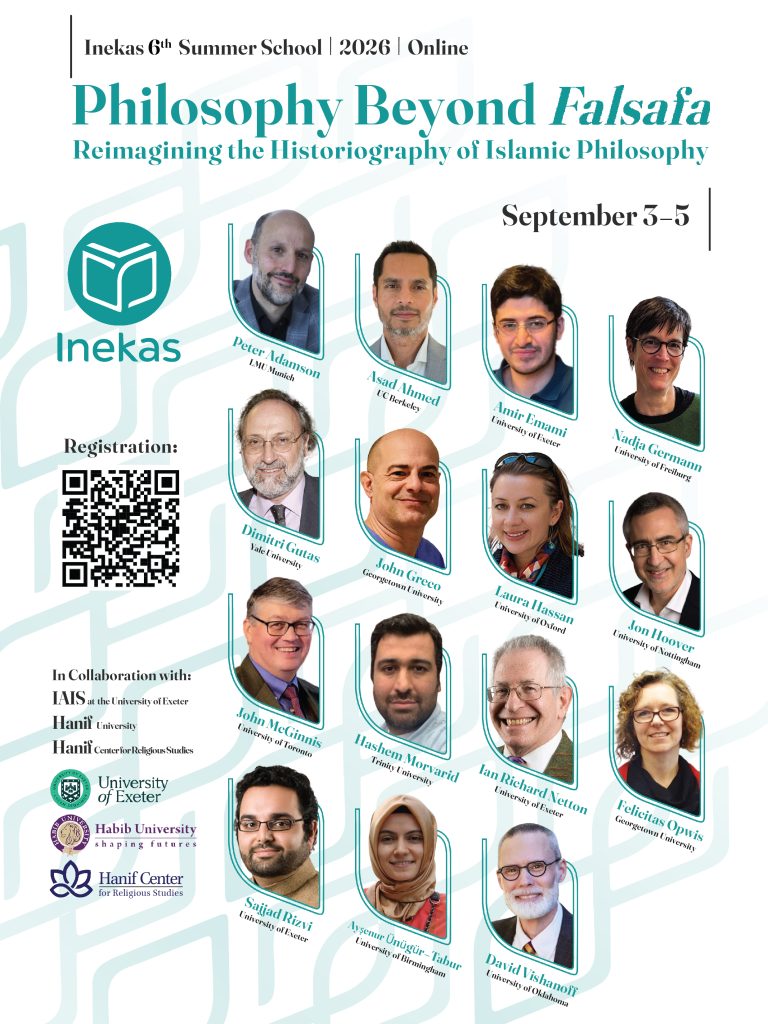
This three-day summer school, taking place from September 3 to 5, explores the diverse forms of philosophical inquiry in the Islamic intellectual tradition. Moving beyond the conventional focus on falsafa, it examines kalām, uṣūl al-fiqh, adab, and ʿirfān as important sites of philosophical reflection, inviting participants to rethink the boundaries of philosophy and gain a broader understanding of Islamic intellectual history.
Philosophy Beyond Falsafa? The Example of Adab
Al-Ghazālī, Causation, and the Epistemic Foundations of the Cosmological Argument
What counts as Philosophy: Beyond Words, and the Analysis of Post-Classical Islamic Intellectual Traditions
Informative and Performative Theories of Divine Speech in Classical Islamic Legal Theory
What Was Philosophy in Late Premodern Muslim South Asia?
------
Was Kalām Philosophy?
Opposition to Philosophy or Falsafa? Mīrzā Mahdī Iṣfahānī's (d. 1365/1946) Philosophical Criticism of Falsafa
The Problem of Ghayba in Twelver Shīʿism: A Case Study in Islamic Analytic Theology
The Legal Philosophy of Fakhr al-Dīn al-Rāzī: Between Certainty and Probability
Language and Human Uniqueness: An Exploration of Abū Muḥammad Ibn Mattawayh’s Discussions of Speech and Language
Paradise Paths: Abū Ḥāmid al-Ghazālī (450-505/1058-1111) and Teresa of Ávila (1515-1582) in Context and Conversation.
God as an Empirical Entity in Sunnī Traditionalist Spatialism
Individualism and Anti-individualism in Islamic Epistemology
Three responses to Classical Foundationalism in medieval Islam
Our Speakers
Nadja Germann is Professor of Philosophy at the University of Freiburg and a leading scholar of Arabic and Islamic philosophy. Her research focuses on the history of philosophy, transcultural thought, philosophy of language, and epistemology, with particular expertise in thinkers such as al-Fārābī and Avicenna. Through her work on the transmission of knowledge across cultures and intellectual traditions, she has made significant contributions to the study of medieval and Islamic philosophy in a global context.

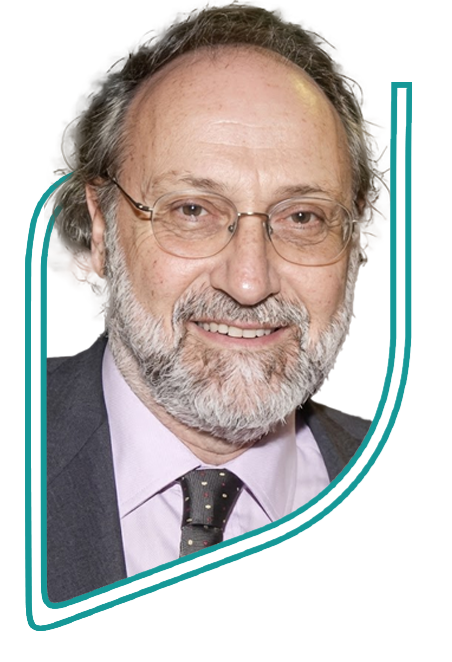
Ayşenur Ünügür-Tabur is a philosopher specializing in medieval philosophy, with a particular focus on Islamic and Christian philosophical traditions. She is a postdoctoral researcher and the author of Divine Free Action in Avicenna and Anselm, a study exploring philosophical approaches to divine action and freedom in the works of two major medieval thinkers. Her research contributes to the comparative study of Avicennian and Latin medieval philosophy.
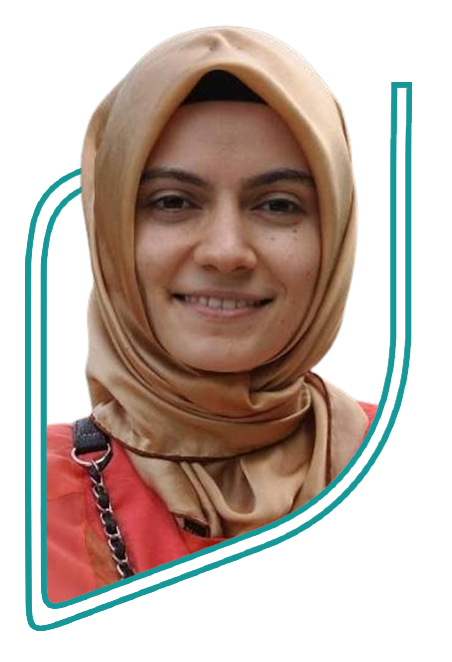
Dimitri Gutas is a prominent American Arabist, Hellenist, and Professor Emeritus of Arabic and Graeco-Arabic at Yale University, renowned for his expertise in medieval Islamic philosophy and the transmission of Greek thought into the Islamic world. A leading authority on the Graeco-Arabic translation movement, he has authored foundational scholarly works, most notably Greek Thought, Arabic Culture. Gutas is also celebrated as a foremost expert on the philosopher Avicenna, leaving a lasting impact on classical Arabic scholarship and intellectual history.
David R. Vishanoff is Associate Professor of Religious Studies at the University of Oklahoma, specializing in Islamic intellectual history, Qur’anic interpretation, and Islamic legal theory. He holds a PhD in West and South Asian Religions from Emory University and has conducted extensive research on hermeneutics, revelation, and the development of Islamic jurisprudence. His work explores the relationship between language, scripture, and meaning in Islamic traditions, with a particular focus on classical legal theorists, Qur’anic studies, and Muslim interpretations of biblical texts.

Asad Q. Ahmed is Magistretti Distinguished Professor of Middle Eastern Languages and Cultures and Professor of Arabic and Islamic Studies at the University of California, Berkeley, with an affiliation in Philosophy. He specializes in early and post-classical Islamic intellectual history, focusing on philosophy, logic, legal theory, astronomy, and the development of rationalist disciplines in Islamic societies. His research explores the transmission and transformation of knowledge across the Islamic world, particularly from the classical period to the intellectual traditions of the Indian subcontinent.

Sajjad Rizvi is a Professor of Islamic Intellectual History at the University of Exeter, specializing in philosophy and the Persianate world through the lens of Pierre Hadot’s spiritual exercises and decolonial methodologies. His current research spans a monograph on Platonism in Islam, Shi’i Imamology, and the postcolonial reception of European thought. Alongside co-editing the Oxford Handbook of Shii Islam, he actively engages in public scholarship and advises governmental and private sectors on Middle Eastern geopolitics and Islam in Europe.
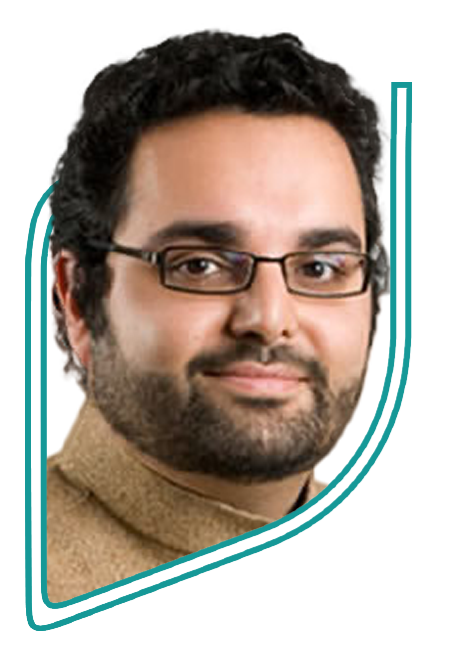
Peter Adamson is a leading historian of philosophy specializing in Late Antique philosophy, Arabic philosophy, and the intellectual traditions of the Islamic world. He is Professor of Philosophy at King’s College London and Ludwig-Maximilians-Universität Munich, and is widely known for his research on thinkers such as Plotinus, al-Kindī, al-Rāzī, al-Fārābī, and Avicenna. His extensive publications include works on Islamic philosophy, medieval intellectual history, and the acclaimed History of Philosophy Without Any Gaps series, which has brought the history of philosophy to a global audience.

Amir Mohammad Emami is a doctoral researcher in Islamic Studies at the Institute of Arab and Islamic Studies at the University of Exeter. Having earned a BA in Philosophy and an MA in Philosophy of Religion from the University of Tehran, his research focuses on Islamic intellectual history in Iran from the 17th century onward. His PhD dissertation examines the philosophical and theological framework of Mīrzā Mahdī Iṣfahānī and the Maktab-i Tafkīk (School of Separation). His academic work explores the intersections of classical Islamic disciplines (falsafa, kalām, and uṣūl al-fiqh) with contemporary philosophy and the global philosophy of religion.
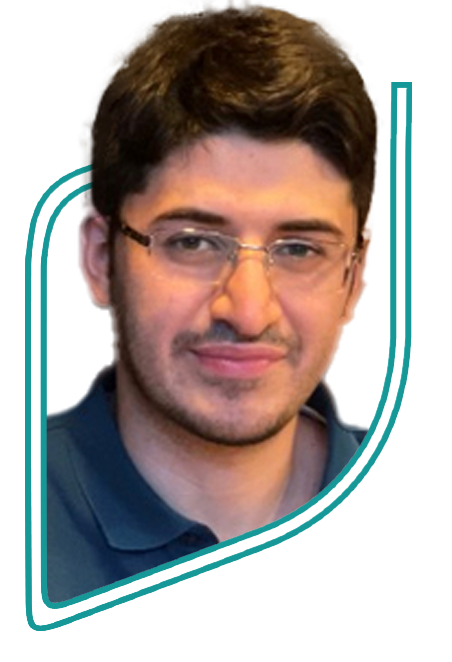
Felicitas Opwis is a scholar of Islamic intellectual history specializing in Islamic jurisprudence, legal theory, and the development of legal concepts in Muslim societies. Her research examines the relationship between Islamic law, intellectual traditions, and historical, social, and political contexts, with particular focus on concepts such as maṣlaḥa (public interest) and maqāṣid al-sharīʿa (the objectives of Islamic law). Through comparative historical studies, she explores how Muslim jurists have negotiated legal change while maintaining connections to foundational religious texts.

Hashem Morvarid is a philosopher specializing in Islamic philosophy, analytic metaphysics, and philosophy of religion. He works on building dialogue between classical Islamic philosophical traditions and contemporary analytic philosophy, with a focus on thinkers such as Avicenna and the Muʿtazila. Holding PhDs in Philosophy from the University of Illinois at Chicago and the Institute for Research in Fundamental Sciences, his research explores questions of metaphysics, theology, divine attributes, and the relevance of Islamic philosophical insights to contemporary debates.
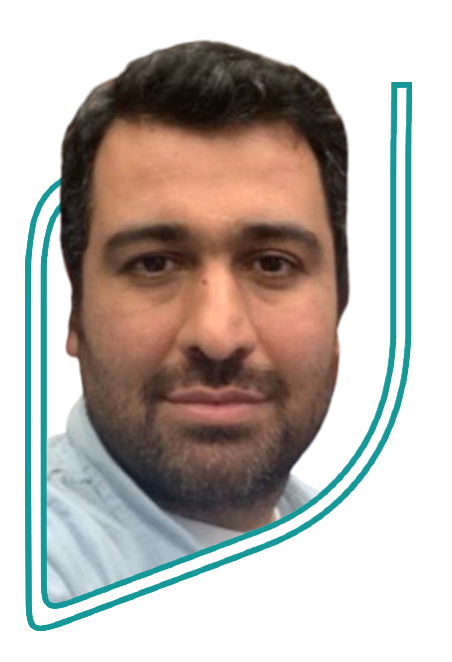
Laura Hassan is an Associate Faculty Member at the Faculty of Asian and Middle Eastern Studies, University of Oxford. Her research focuses on Islamic intellectual history, particularly post-classical Islamic theology and philosophy, with special emphasis on the Ashʿarī tradition and its engagement with Avicennan philosophy. Her work explores questions of divine speech, language, knowledge, creation, and the relationship between religion and science in Islamic thought. She is the author of Ashʿarism Encounters Avicennism: Sayf al-Dīn al-Āmidī on Creation (Gorgias Press, 2020)

Ian Richard Netton is Emeritus Professor of Islamic Studies at the University of Exeter and a leading scholar of Islamic theology, philosophy, Sufism, and comparative religion. His research explores medieval Islamic thought, religious anthropology, comparative textuality, semiotics, and encounters between Islamic and other religious traditions. He is the author and editor of more than twenty books, including Islam, Christianity and the Realms of the Miraculous: A Comparative Exploration (Edinburgh University Press, 2019), and has made significant contributions to the study of Islamic intellectual and religious history.

Jon Hoover is Professor of Islamic Studies at the University of Nottingham. His research focuses on medieval Islamic intellectual history, especially Islamic theology (kalām), philosophy, and the thought of Ibn Taymiyya and Ibn Qayyim al-Jawziyya. His work explores debates on divine attributes, reason and revelation, ethics, human freedom, and Christian-Muslim theological interaction. He is the author of numerous studies on Islamic theology and intellectual history, with particular contributions to the understanding of medieval theological debates

John Greco is the Robert L. McDevitt and Catherine H. McDevitt Professor of Philosophy at Georgetown University. His research focuses on epistemology and metaphysics, with particular contributions to virtue epistemology, intellectual humility, epistemic normativity, skepticism, and the philosophy of Thomas Reid. He is the author of several influential works, including Achieving Knowledge: A Virtue-Theoretic Account of Epistemic Normativity and The Transmission of Knowledge, and has made significant contributions to contemporary discussions on knowledge and rational inquiry.

Jon McGinnis is a leading scholar of ancient and medieval philosophy, specializing in the history of natural philosophy and physics across Greek, Arabic, Judeo-Arabic, and Latin traditions. His research focuses particularly on Avicenna (Ibn Sīnā), medieval Islamic philosophy, philosophy of religion, and theories of science and medicine. He is the author of Avicenna (Oxford University Press) and has translated and edited major works of Avicenna, making significant contributions to the study of Islamic philosophy and its connections with the broader history of philosophy.

Inekas Summer School Countdown
Deadline for Registration: September 2
Our Mission
Building Bridges, Expanding Horizonsin Islamic Studies

Testimonials from Our Community
Sajjad Rizvi
Professor of Islamic Intellectual History and Islamic Studies at the University of Exeter
- The Inekas summer schools are a wonderful initiative that brings together the best scholarship from Euro-American and Iranian academia to bear on critical issues in the study of religions, texts, and Islam. It is led by some of the brightest early career academics anywhere and the engagement with students is rigorous, exciting, and productive. Highly recommended to potential participants in future sessions.
Hamed Olia
PhD in Mechanical Engineering, University of Colorado School of Mines
- This course proved to be immensely beneficial for me for several reasons. Firstly, the presentations were not only captivating but also tailored to address contemporary needs. Secondly, the adept management of the school ensured seamless coordination among participants and presenters. Thirdly, on a personal note, I had the privilege of interacting with numerous esteemed professors across diverse fields. Lastly, I found the language learning workshop to be particularly intriguing and innovative.
Radman Rasouli Mehrabani
PhD of Persian literature, University of Tehran
- The school exudes a palpable academic passion and enthusiasm. Through active participation, we have gained insights into the methods and current trends within this discipline and its related fields. Such knowledge stands to benefit and enrich our understanding of the broader humanities landscape.